
Firearms Basics for Beginners: Introduction to Firearms

Starting with firearms can feel overwhelming. There are many types, safety rules, and legal considerations to understand. I want to guide you through the essentials in a clear and straightforward way. Whether you are new to firearms or looking to refresh your knowledge, this guide will help you build a solid foundation.
Firearms Basics for Beginners: Understanding the Essentials
Before handling any firearm, it is crucial to understand the basic parts and how they work. A firearm is a tool designed to launch a projectile using explosive force. The most common types you will encounter are handguns, rifles, and shotguns.
Handguns are small and designed to be held with one hand. They include revolvers and semi-automatic pistols.
Rifles have longer barrels and are designed for two-handed use, offering greater accuracy at longer distances.
Shotguns fire shells containing multiple small pellets or a single slug, effective for close-range targets.
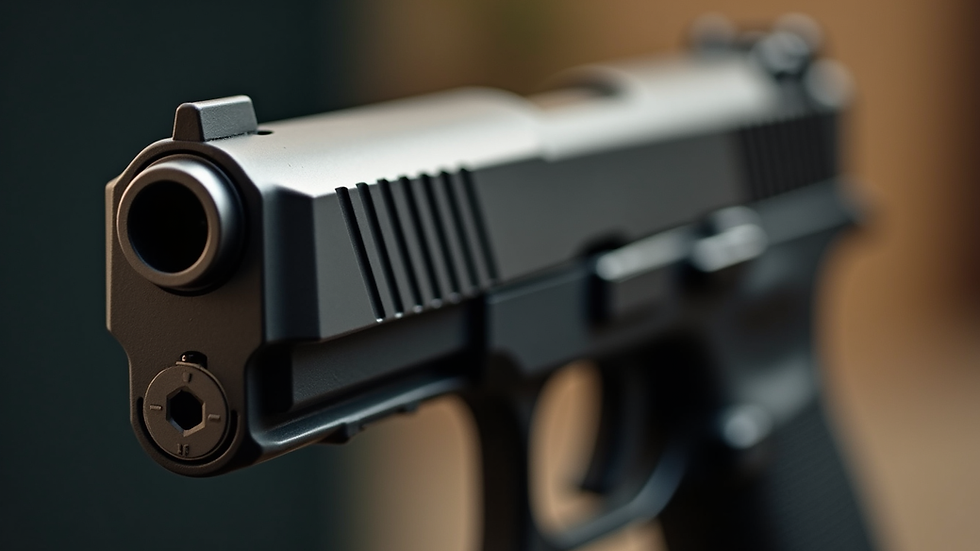
Each firearm has several key components:
Barrel: The tube through which the bullet travels.
Action: The mechanism that loads, fires, and ejects cartridges.
Trigger: The lever you pull to fire the gun.
Magazine: Holds ammunition and feeds it into the chamber (not all firearms have magazines).
Understanding these parts helps you operate and maintain your firearm safely.
Safe Handling and Storage Practices
Safety is the top priority when dealing with firearms. Always follow these fundamental rules:
Treat every firearm as if it is loaded. Never assume a gun is unloaded.
Keep your finger off the trigger until ready to shoot. This prevents accidental discharge.
Never point a firearm at anything you do not intend to shoot. Always be aware of your target and what is beyond it.
Store firearms securely. Use gun safes or lockboxes to prevent unauthorized access, especially by children.
Use the correct ammunition. Using the wrong ammo can cause malfunctions or damage.
Regularly practicing these habits will build confidence and reduce risks.
Learning Through an Introduction to Firearms Course
Taking a structured course is one of the best ways to gain knowledge and hands-on experience. An introduction to firearms course covers safety, handling, shooting fundamentals, and legal responsibilities. It also provides a controlled environment to ask questions and practice under expert supervision.
Courses often include:
Firearm operation and maintenance
Safe storage techniques
Basic marksmanship skills
Overview of local laws and regulations
This training is especially valuable for those seeking concealed carry permits or wanting to become responsible gun owners.

Choosing the Right Firearm for You
Selecting a firearm depends on your intended use, comfort, and experience level. Here are some tips to help you decide:
Purpose: Are you interested in home defense, target shooting, hunting, or concealed carry? Each use may require a different type of firearm.
Size and Weight: Choose a firearm that feels comfortable to hold and carry. Smaller handguns are easier to conceal but may have more recoil.
Caliber: This refers to the bullet diameter. Larger calibers have more stopping power but can be harder to control.
Ergonomics: Grip shape, trigger reach, and controls should suit your hand size and strength.
Visiting a local range or store to handle different models can help you find the best fit. Many ranges offer rental firearms so you can try before you buy.
Maintaining Your Firearm for Longevity and Safety
Proper maintenance keeps your firearm reliable and safe to use. Here are the basic steps:
Clean after every use: Residue from firing can cause jams or corrosion.
Use the right cleaning tools: Brushes, patches, and solvents designed for firearms.
Inspect regularly: Check for wear, cracks, or loose parts.
Store in a dry place: Moisture can cause rust and damage.
Learning to clean your firearm is part of responsible ownership. Many courses include maintenance instruction, or you can find detailed guides online.
Building Confidence and Responsibility
Handling firearms responsibly requires ongoing education and practice. Start slow, focus on safety, and seek professional guidance when possible. Remember, becoming a confident gun owner is a process that takes time and dedication.
If you are in New Jersey or nearby states, consider enrolling in a local introduction to firearms course to get expert instruction tailored to your region’s laws and needs.
By following these guidelines, you will develop the skills and mindset necessary to use firearms safely and effectively.
I hope this guide has helped clarify the basics of firearms for beginners. With the right knowledge and training, you can become a responsible and confident firearm owner. Stay safe and keep learning.


Comments